How Does Goal Difference Work in the World Cup?
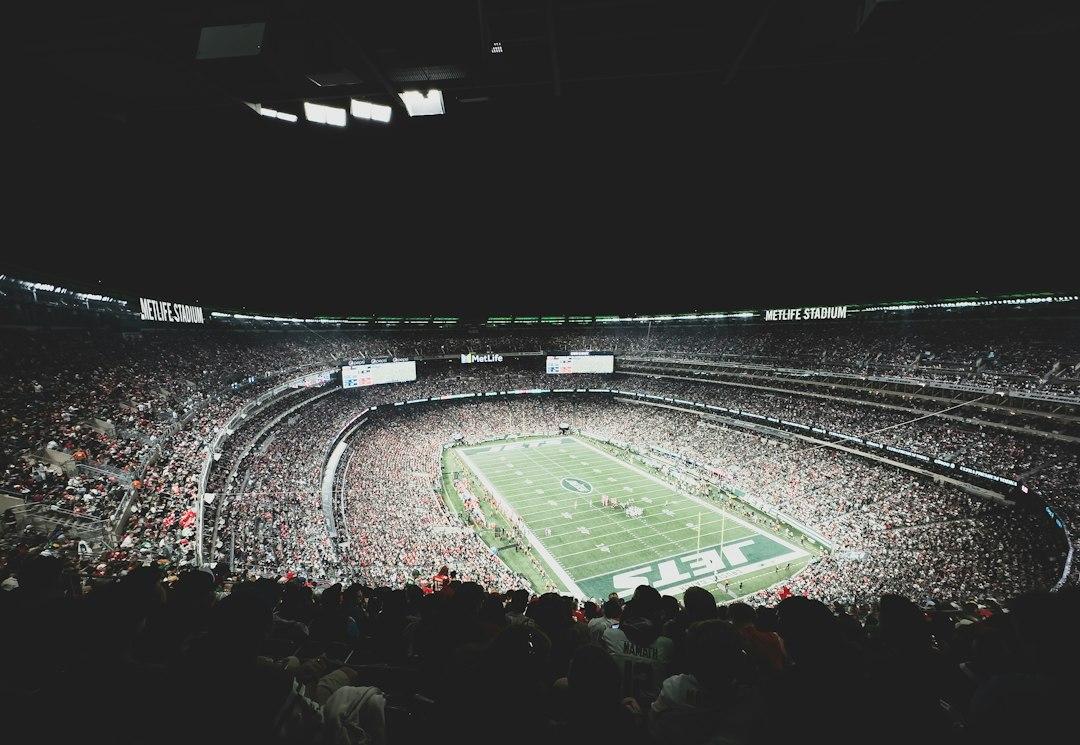
A packed stadium watching a football match
Photo by Myron Mott on Unsplash
Two teams finish the World Cup group stage level on points — who goes through? The answer usually comes down to goal difference in the World Cup, the first tiebreaker FIFA applies when teams are locked together.
TL;DR: Goal difference is goals scored minus goals conceded, and it decides the group when teams are level on points.
What Goal Difference Actually Means
Goal difference (GD) is simple maths: total goals scored minus total goals conceded across all group matches.
- A 3-1 win gives you +2.
- A 0-2 defeat leaves you on -2.
- A 2-2 draw changes nothing — that is 0.
The team with the higher goal difference finishes above the other. It is not the same as goals scored: a side that wins 5-3 (+2) ranks level with one that wins 3-1 (+2), and the next tiebreaker then separates them.
The Tiebreaker Order
Under FIFA's group stage criteria, when two or more teams are level on points, the ranking is decided in this order:
- Goal difference in all group matches
- Goals scored in all group matches
- Head-to-head result between the tied teams
- Fair play points (yellow and red cards)
- Drawing of lots
Goal difference sits above head-to-head in the modern format, which is why big wins against weaker opponents carry real weight.
Why It Turns Groups Into Chess
Because GD rewards margin, teams chasing qualification often push for a fourth or fifth goal rather than protecting a narrow lead. A late tap-in can be worth an entire tournament. FIFA expanded the 2026 finals to 48 teams, but the goal-difference principle stays the same.
When Goal Difference Is Not Enough
If two teams match on both goal difference and goals scored, head-to-head takes over. If three or more teams are level, mini-tables among the tied sides are used. Beyond that, fair play points and, as a last resort, lots of.
Related News