How Does Europa League Qualification Work?
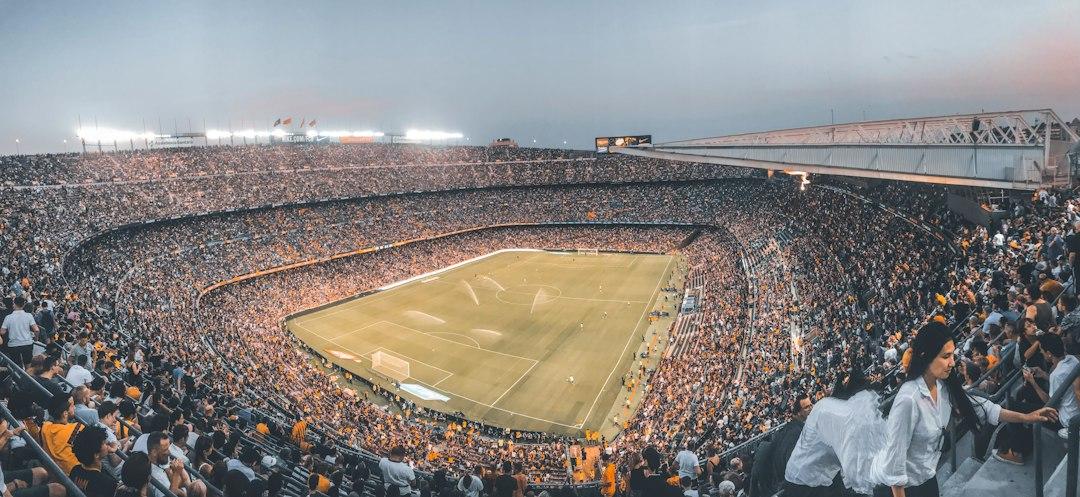
Fans gathering near a stadium on a matchday
Photo by Twan Dijkstra on Unsplash
Ever wondered how a mid-table club suddenly pops up in the Europa League? Qualification is a mix of league position, domestic cups and second chances — and it changes every season.
TL;DR: Clubs qualify for the Europa League through their domestic league, domestic cups, and by dropping out of Champions League qualifying.
The Domestic League Route
The most common path is finishing high enough in your national league. For the 2026–27 season, associations ranked 1–12 by UEFA coefficient each send two teams, while associations ranked 13–33 send one. Wikipedia/UEFA
In England, for example, the team that finishes fifth typically earns a Europa League spot, alongside the FA Cup winners. If the cup winner has already qualified for Europe via the league, the place passes down the table.
The Cup and Champions League Paths
Domestic cup winners are a classic back door into Europe. Win your national cup and you're in, regardless of league form — the reason so many fans dream of a cup run.
The other major route is dropping down from the Champions League. Teams eliminated in the Champions League play-off round and the third qualifying round are transferred straight into the Europa League, giving strong sides a second shot at continental football.
The Conference League Champions
The winners of the previous season's UEFA Conference League also earn a Europa League place — unless they've already qualified for the Champions League or Europa League by another route.
What Fans Should Watch
- League finish: the safest, most predictable route.
- Cup glory: a knockout run can rescue a disappointing season.
- Champions League drop-outs: strength of the draw matters here.
From 2024–25, the group stage was replaced by a 36-team league phase, so qualifying teams now enter a single table before the knockouts.
So next time your club books a European trip, you'll know exactly which door they walked through.
Want to debate the draw and your club's chances with other fans? Join Sportigon — the social network built for football fans.
Related News