Overlapping vs Underlapping Runs in Football
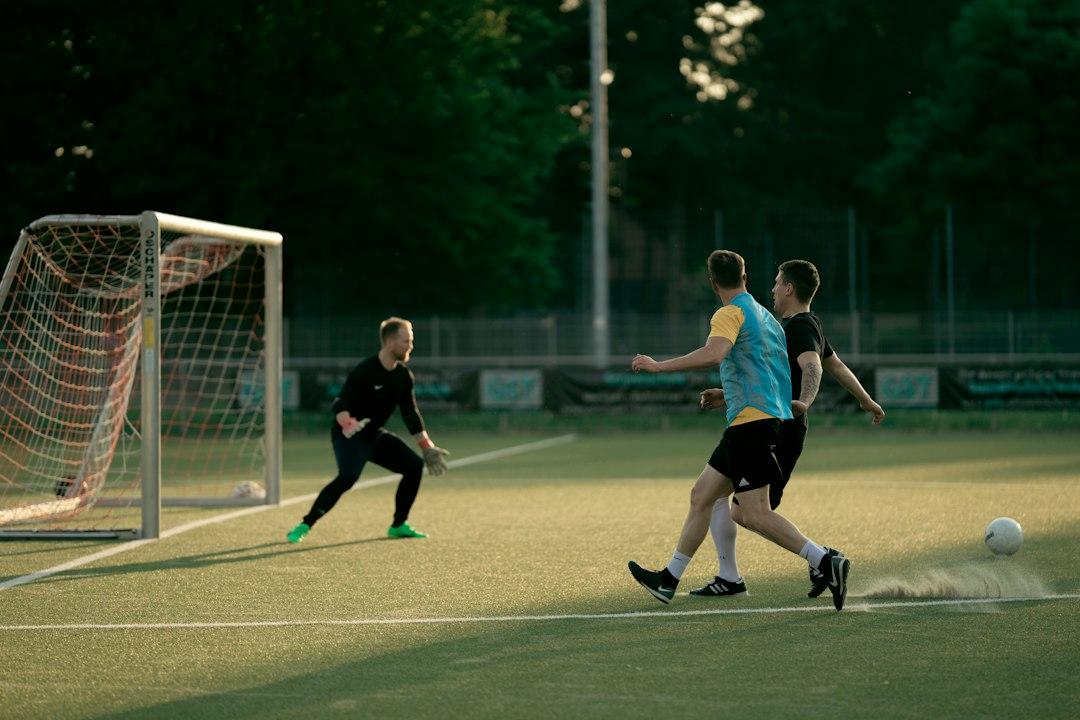
A group of players moving off the ball during a soccer match
Photo by Omar Ramadan on Unsplash
Modern football is a game of movement, and few things confuse casual fans more than the difference between overlapping and underlapping runs. Both drag defenders out of position, but attack different channels.
TL;DR: An overlap goes outside the ball carrier; an underlap cuts inside, between the fullback and centre-back.
What Is an Overlapping Run?
An overlap is when a player — usually a fullback or wingback — sprints around the outside of the teammate on the ball, hugging the touchline.
The goal is a two-versus-one against the opposing fullback. The defender must either step out to stop the ball carrier or track the runner outside. Either way, someone is free. The overlapping player can then whip in a cross or reach the byline.
Classic examples come from teams built on width — a right-back bombing past a winger in a 4-3-3, stretching the pitch and pinning the back line.
What Is an Underlapping Run?
An underlap is the opposite: a player runs inside the ball carrier, into the half-space between the opposing fullback and centre-back.
Because the movement is harder to read, it catches defenders flat-footed. The runner receives in a central pocket, closer to goal, and can shoot or combine in tight areas. It is a favourite against deep, compact low blocks that defend the wings well but struggle with runners through the middle.
Why the Two Movements Work Together
- Overlap: stretches play, creating crossing angles and width.
- Underlap: infiltrates the middle, creating shooting angles and combination play.
- Both: pull defenders away from the ball, opening space for a third runner.
How Modern Teams Use Them
Teams like Manchester City rotate constantly, so a winger may overlap while the fullback underlaps — inverting the traditional roles. That unpredictability makes the movement so effective: defenders cannot simply track the obvious runner.
For the player on the ball, timing is everything. Release the pass too early and the runner is isolated; too late, and the gap closes. Coaches drill these patterns because they turn duels into numerical advantages.
Related News