Defensive vs Central Midfielder: Key Differences
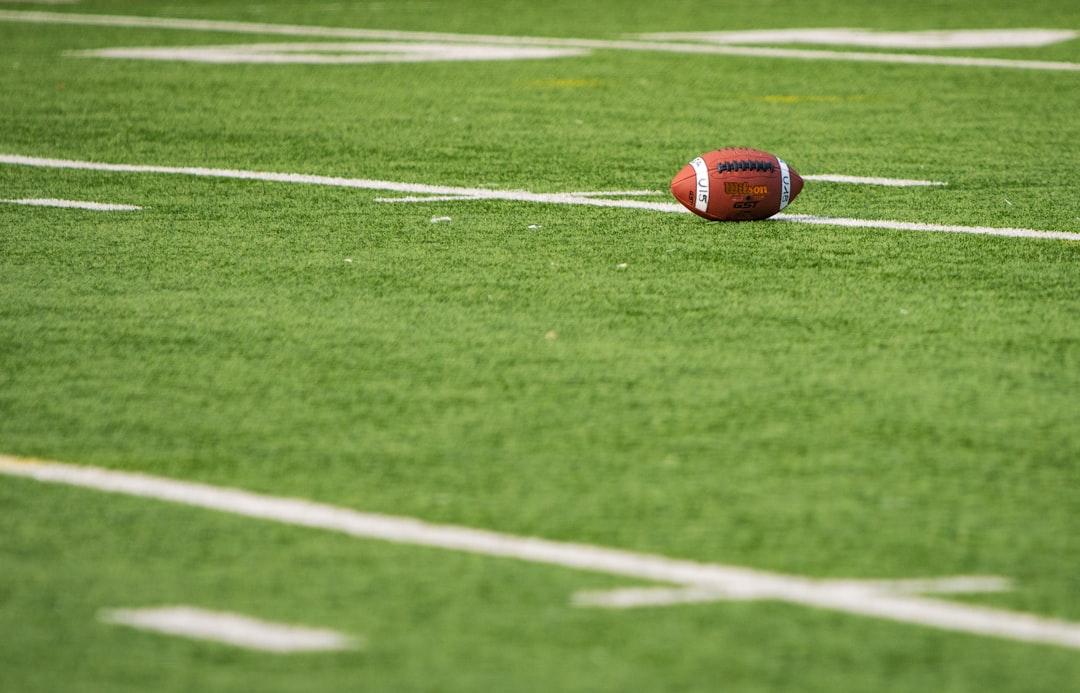
A football resting on a football pitch
Photo by Paolo Aldrighetti on Unsplash
If you have ever watched a match and wondered why one midfielder rarely crosses the halfway line while another pops up everywhere, you are looking at the difference between a defensive midfielder and a central midfielder. Although they line up close together, their jobs are very different.
TL;DR: A defensive midfielder (the "6") shields the back four and breaks up play, while a central midfielder (the "8") controls the tempo and joins both attack and defence.
What Is a Defensive Midfielder?
A defensive midfielder, often called a holding midfielder or "number 6", sits just in front of the defence. Their main job is protection: screening the back line, winning tackles and interceptions, and recycling possession to safer areas.
Think N'Golo Kanté at his Leicester peak or Sergio Busquets at Barcelona. These players rarely venture forward, acting as a shield and the first line of defence when the team loses the ball.
What Is a Central Midfielder?
A central midfielder, often the "number 8", does a bit of everything. Their role is split between attacking and defensive duties to control play in the middle of the pitch. They drop deep to build attacks, drive the ball forward, make runs into the box, and track back to defend.
Box-to-box players like Steven Gerrard, Luka Modrić, and Jude Bellingham are classic central midfielders — mobile and capable of creating, scoring, and tackling.
The Key Differences
- Position: The "6" plays deeper; the "8" spans the middle third.
- Primary duty: The "6" protects the goal; the "8" connects defence to attack.
- Defending: The "6" screens and shields; the "8" presses and tracks runners.
- Attacking: The "6" rarely attacks the box; the "8" regularly joins attacks and shoots.
Which One Do Teams Use?
Most modern teams use one of each. A 4-3-3 pairs a single holding "6" with two advanced central midfielders, while a 4-2-3-1 often uses two deeper players. Understanding these roles makes watching midfield battles far more rewarding.
Related News