Can a Goalkeeper Pick Up a Back Pass? Rule Explained
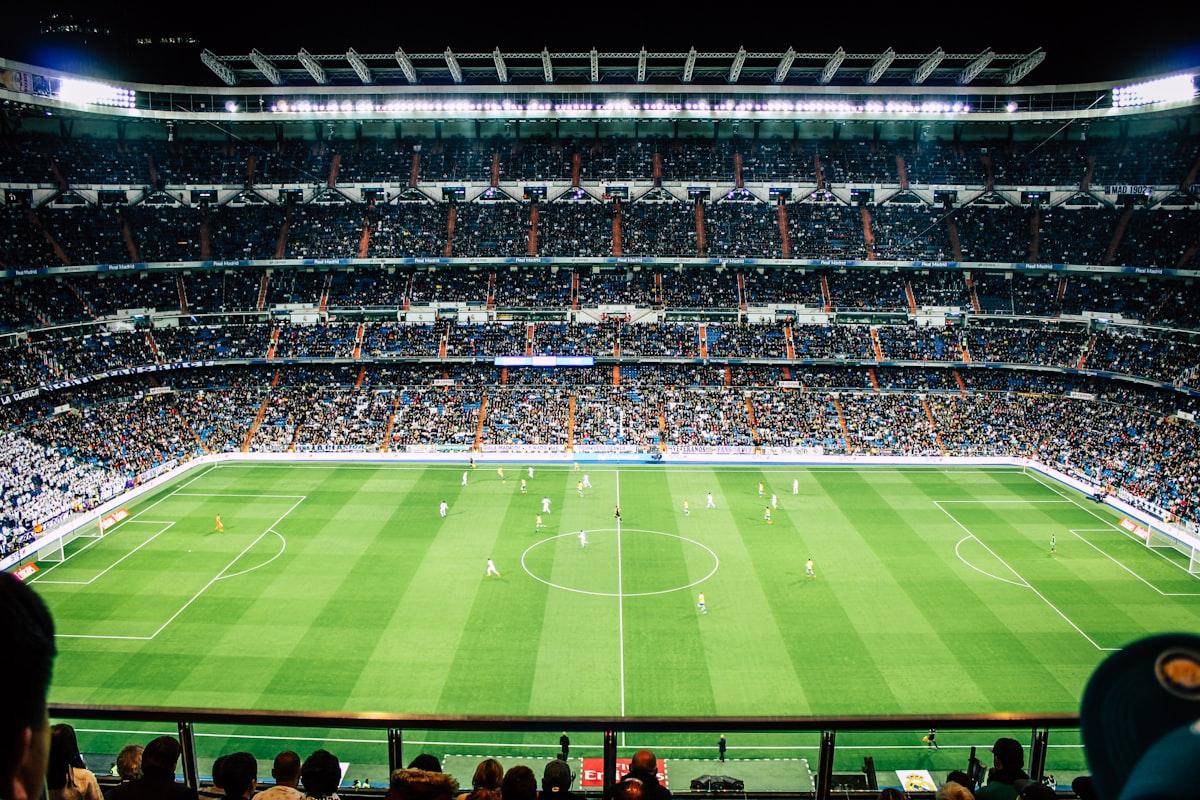
A goalkeeper stands ready in a professional stadium
Thomas Serer on Unsplash
Picture a defender rolling the ball back to his keeper under pressure. Can the goalkeeper simply pick up a back pass? In most cases, no. The back-pass rule makes it illegal for a keeper to handle a ball deliberately kicked back by a teammate — the referee then awards an indirect free kick inside the box.
TL;DR: A goalkeeper cannot pick up a back pass deliberately kicked to them by a teammate. The punishment is an indirect free kick; headers are allowed.
The Back-Pass Rule Explained
This rule sits in Law 12 of the Laws of the Game. A keeper cannot use their hands when a teammate deliberately kicks the ball back, whether backwards, sideways, or forwards — direction does not matter. It also covers balls thrown back from a throw-in.
Headers, Chests and Knees Are Fine
Here is the twist casual fans miss: the ban applies only to kicks (plays with the foot). If a defender heads, chests, or knee-controls the ball back, the keeper can scoop it up freely — which is why defenders chest the ball down to their keeper under pressure.
Why Does the Rule Exist?
The back-pass rule was introduced in 1992 to kill off time-wasting. After the dull, defensive 1990 World Cup, teams endlessly recycled the ball to their keeper, who held it to run down the clock. FIFA and IFAB responded by banning the hands on such passes — instantly speeding up the game.
The Punishment
An illegal back-pass handling earns an indirect free kick from the spot of the offence, or the six-yard line if inside the goal area.
Frequently Asked Questions
Can a goalkeeper pick up a back pass from a header?
Yes. A header is not a kick under the laws, so the keeper may handle it — unless a defender tricks the rule.
Can a goalkeeper pick up a throw-in from a teammate?
No. That gives away an indirect free kick.
Does a deflection count as a back pass?
Generally no. If a pass deflects off an opponent, the keeper may handle it.
Related News