Can a Goalkeeper Pick Up a Back Pass from a Teammate?
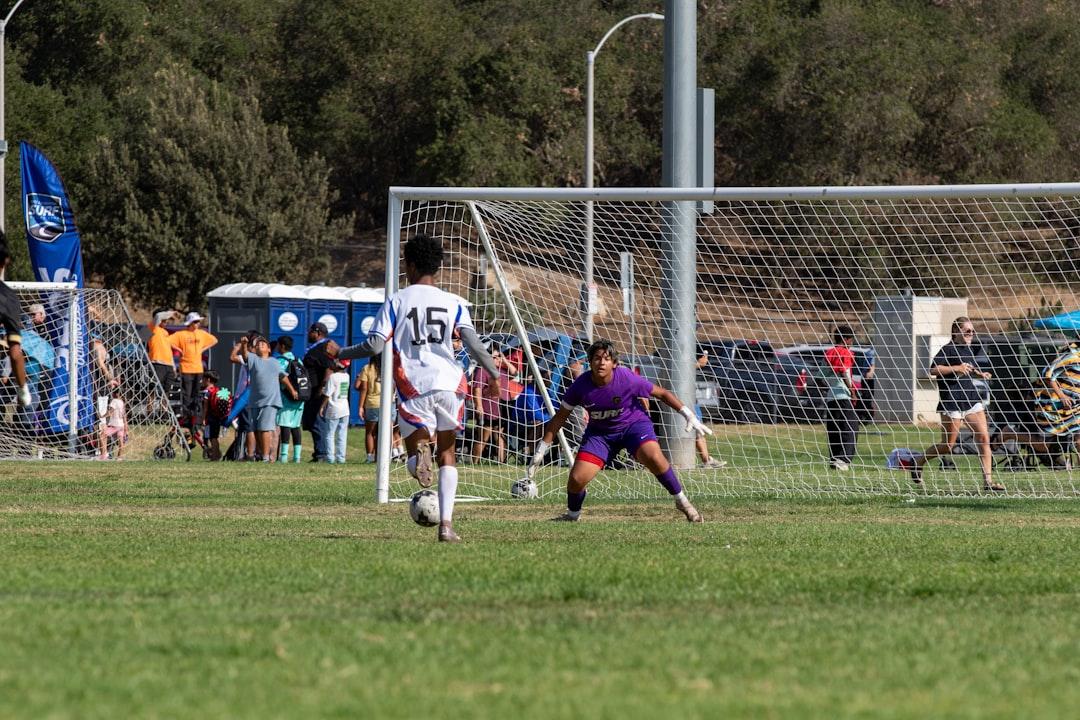
A goalkeeper prepares to catch the ball during a match
Felipe Oliveira on Unsplash
Can a goalkeeper pick up a back pass from a teammate? In most cases, no. The back-pass rule bans keepers from handling the ball when it's deliberately kicked or thrown back by a teammate. Get it wrong and the referee awards an indirect free kick inside the box.
TL;DR: A keeper cannot handle the ball when it's deliberately kicked or thrown back by a teammate — the penalty is an indirect free kick. Headers, chests and knees are allowed.
The Back-Pass Rule in Simple Terms
The rule lives in Law 12, Section 2 of the IFAB Laws of the Game. A goalkeeper may NOT handle the ball if:
- A teammate deliberately kicks the ball to them using the foot, shin, knee or thigh
- The ball comes directly from a teammate's throw-in
- No other player touches the ball in between
Direction doesn't matter — it's an offence even if passed forward.
The Indirect Free Kick Penalty
If the keeper handles a back pass, the referee gives an indirect free kick where the handling happened. Inside the six-yard box, the kick moves to the nearest point on the line, and the keeper cannot be sent off unless it's a second yellow.
Why the Rule Exists
Introduced in 1992 after the dull 1990 World Cup, the rule stopped time-wasting. It was extended to throw-ins in 1997 and forced keepers to master the ball at their feet — a key step toward today's sweeper-keepers.
The Header Loophole
Keepers can handle the ball if a teammate returns it with the head, chest or knee, because the law counts a "kick" as using the foot. But defenders can't use a deliberate trick, like flicking the ball up to head it back, to skirt the rule.
Frequently Asked Questions
Can a goalkeeper catch a header from a teammate?
Yes. A header back to the keeper is legal, so keepers happily pick up defensive headers.
What happens if a keeper picks up a back pass?
Related News