Can a Soccer Match Continue Without VAR? Rules Explained
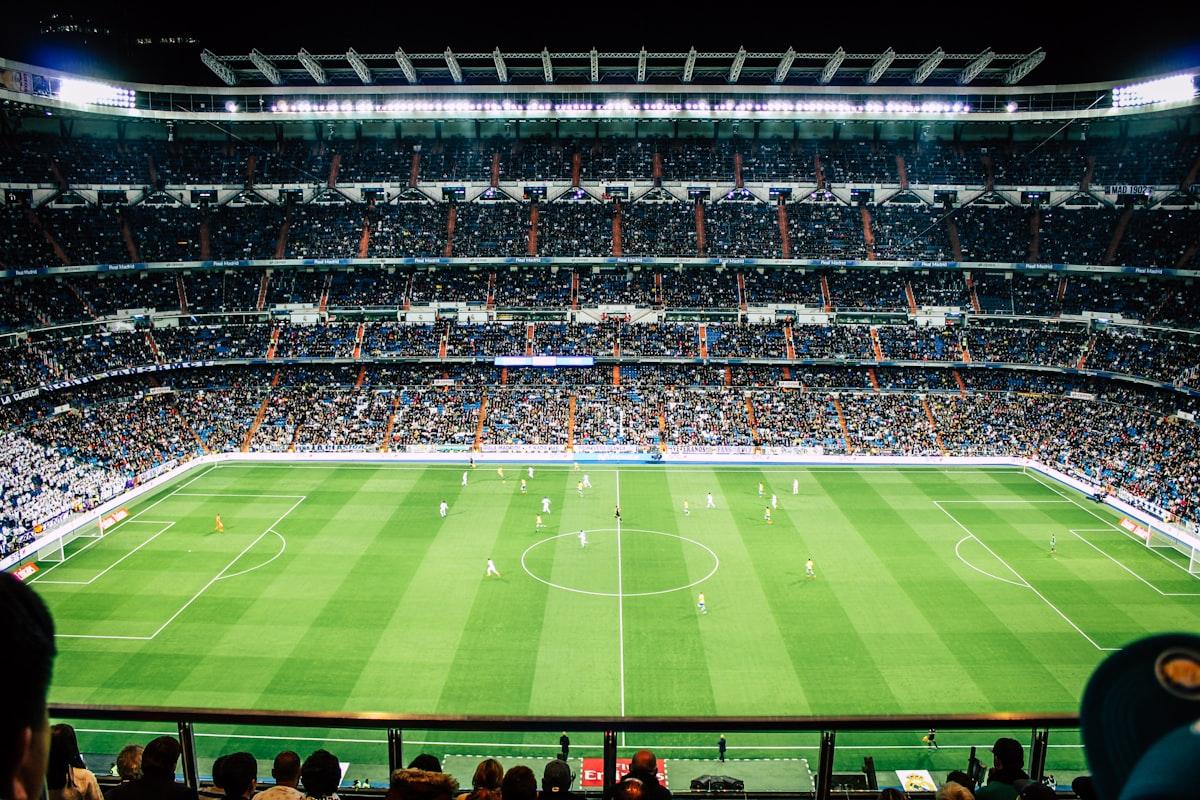
A professional stadium pitch under the lights
Thomas Serer on Unsplash
In the middle of a huge game, the on-screen graphic flashes that VAR is unavailable. Panic? Not for the match itself — football simply carries on. Yes, a soccer match can continue without VAR, and the game remains fully valid.
TL;DR: Yes. A match continues without VAR — even if it was never switched on, the contest is legal because the on-field referee is always the final decision-maker.
Why VAR Is Optional, Not Essential
Under the Laws of the Game, VAR is not a mandatory part of football. The International Football Association Board (IFAB) says video review is "only permitted" when a competition organiser meets all implementation requirements and gets written permission from FIFA (IFAB VAR Protocol).
Lower leagues, cup ties, youth tournaments and small federations regularly play without it. Football ran for over a century with no video review, so VAR is a help — not a requirement for a legal game.
The Referee Always Decides
The video assistant only recommends a review; the on-field referee approves and delivers it and can "choose to ignore" the VAR's advice (VAR on Wikipedia). When the system drops out nothing fundamental changes: the referee reverts to deciding with the assistant referees alone.
What Happens If VAR Fails Mid-Match
If VAR equipment breaks during play — a power cut or signal fault — competition rules and IFAB guidance let the match continue without reviews. The referee signals checks have stopped, and ordinary football resumes. Any decision is made on-field and stands, with no protest or replay.
No goals or cards reviewed before the fault are cancelled, so the result is still a valid, complete match.
Should the Game Be Postponed?
Not automatically. Before kick-off, if the whole VAR system is unavailable, the competition organiser decides whether to proceed without it or delay. But once a match starts, even with no working VAR, it is normally played to a finish rather than abandoned.
Want to debate a controversial VAR call live with other fans? Join the conversation on Sportigon — the social network built for football fans.
Related News