Can a Goalkeeper Pick Up a Back Pass? Rule Explained
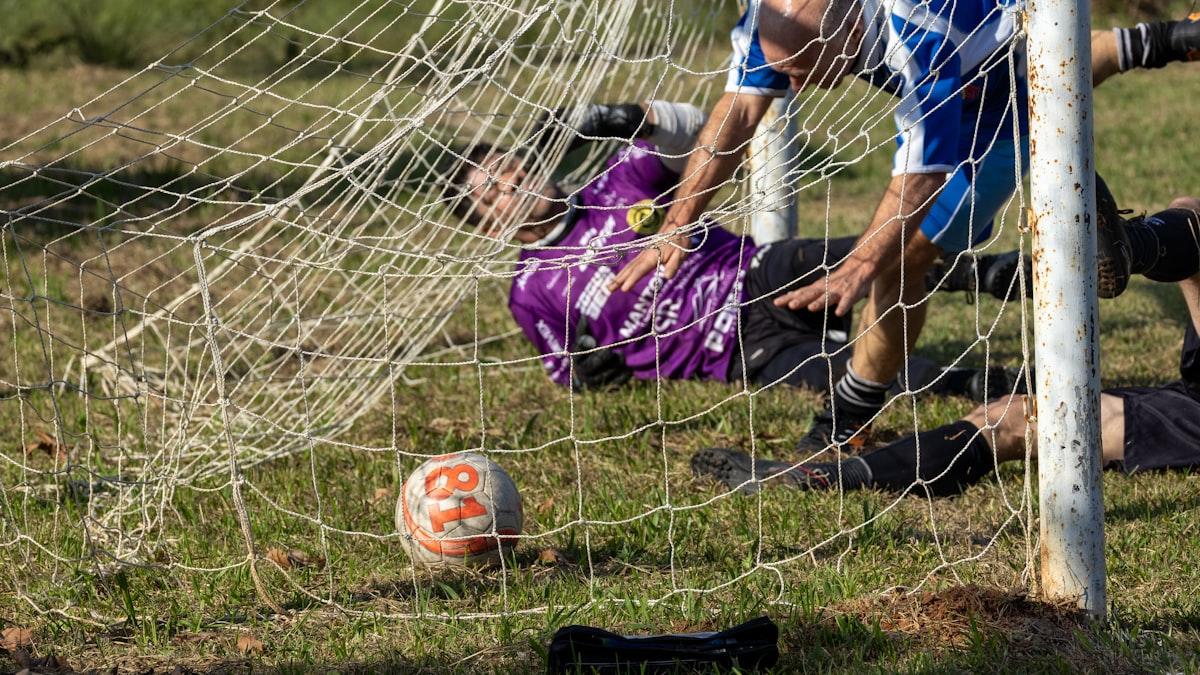
A goalkeeper and outfield players in action during a match
Matheus Protzen on Unsplash
So can a goalkeeper pick up a back pass from a teammate? In almost every case, no. Under Law 12 of the official Laws of the Game, a keeper cannot handle the ball when a teammate deliberately kicks it back with the foot. Break the rule and the referee awards an indirect free kick to the opposition — often a clear goalscoring chance.
TL;DR: A goalkeeper cannot use their hands on a ball deliberately kicked back by a teammate; the penalty is an indirect free kick, and only headers or chests are allowed.
Can a Goalkeeper Pick Up a Back Pass?
No — unless the pass was not a deliberate kick. A keeper is banned from handling a ball that a teammate deliberately kicks with the foot, whether it goes backward or forward. The restriction also covers a ball thrown straight to the keeper from a teammate's throw-in.
What Counts as a Back Pass
Three things must line up: the ball is played with the foot by a teammate, that action is deliberate (not a deflection or miskick), and the keeper handles it directly. Headers, chests, thighs and knees stay legal.
Why Does the Rule Exist?
The back-pass rule arrived in 1992 after the dull defensive play of the 1990 World Cup. Teams wasted time passing back for the keeper to scoop up and hold the ball. The rule forced keepers to use their feet, sped up matches, and helped create the modern ball-playing "sweeper-keeper". It was extended to cover throw-ins in 1997.
Penalty and Tricky Bits
The punishment is an indirect free kick from where the keeper touched the ball (or the six-yard line if inside the goal area). A goal counts only if another player touches it first. And if a defender flicks the ball up and heads it back to dodge the rule, that deliberate trick is punished too.
Frequently Asked Questions
What happens if a keeper picks up a back pass?
The referee awards an indirect free kick to the opposing team at the spot of the offence.
Can a keeper catch a defender's header?
Related News