Can a Goalkeeper Pick Up a Back Pass? Rule Explained
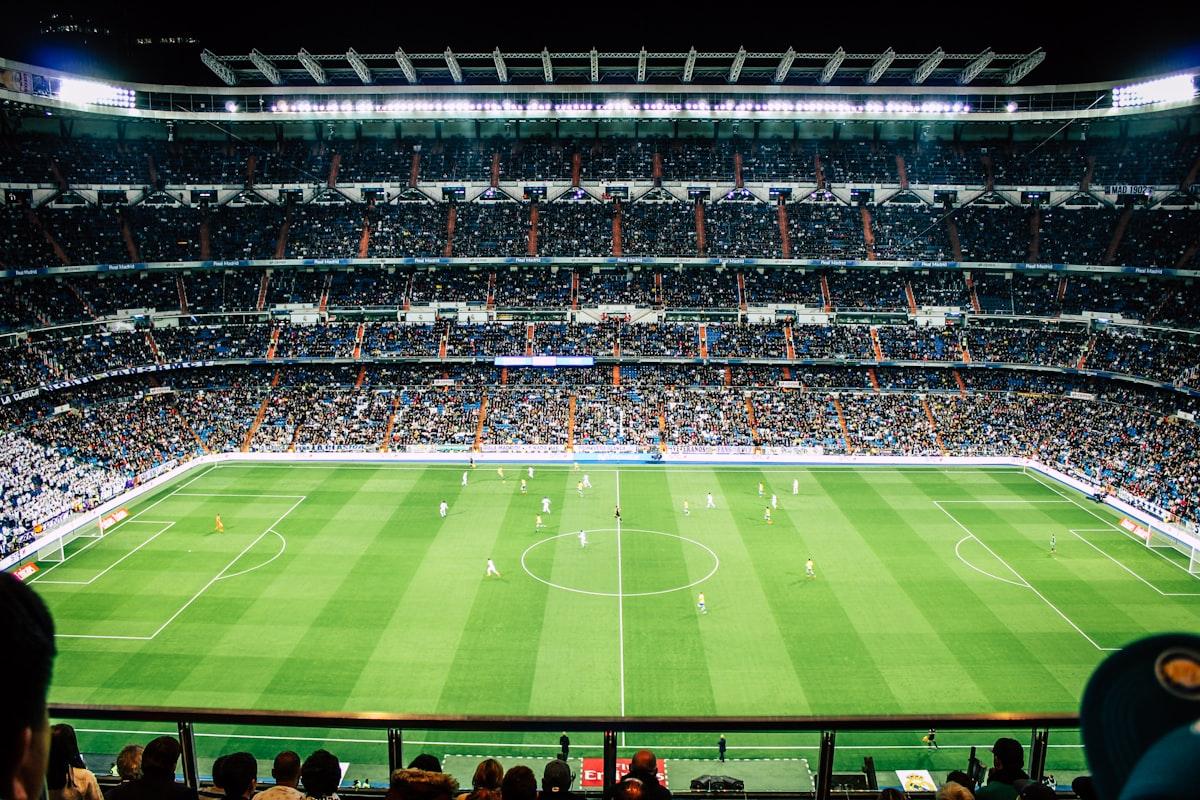
A goalkeeper watches play on a professional pitch under the lights
Thomas Serer on Unsplash
Few rules frustrate fans more than the back-pass law. One moment a keeper scoops up the ball from a defender's pass, the next the referee blows for an indirect free kick. So can a goalkeeper pick up a back pass from a teammate? The short answer is no — unless the ball was played with the head, chest, knee, or shin.
TL;DR: A goalkeeper cannot handle a ball deliberately kicked to them by a teammate. The punishment is an indirect free kick, and the law only bans kicks — headers and chest passes back are allowed.
What the Back-Pass Rule Actually Says
The back-pass rule lives in Law 12 of the Laws of the Game. It stops a keeper from handling a ball that a teammate deliberately played with their foot. The offence takes three things, per the back-pass rule summary on Wikipedia:
- A teammate kicks the ball (foot only, not knee or shin)
- The play is intentional, not a deflection or miskick
- The keeper then handles the ball with no one else touching it in between
Crucially, the ball does not even have to travel backwards. A pass played forward to the keeper still counts if it is a deliberate kick.
Headers, Chests, and Tricks
If a defender heads or chests the ball back, the keeper is free to catch it — those are not classified as kicks. That is why defenders often flick clearances up with the head. However, referees punish deliberate tricks, such as flicking the ball up with the foot before heading it to the keeper.
Why Does the Rule Exist?
IFAB introduced the back-pass law in 1992 to stop time-wasting after the slow 1990 World Cup. It was extended in 1997 so keepers also could not handle a teammate's direct throw-in.
What Happens If a Keeper Breaks It?
The referee awards an indirect free kick where the handling occurred, or on the six-yard line if it happened inside the goal area. Another player must touch the ball before a goal can be scored.
Related News